 South Korea
Best Time to Visit South Korea: Weather by Month, Seasons and Holidays
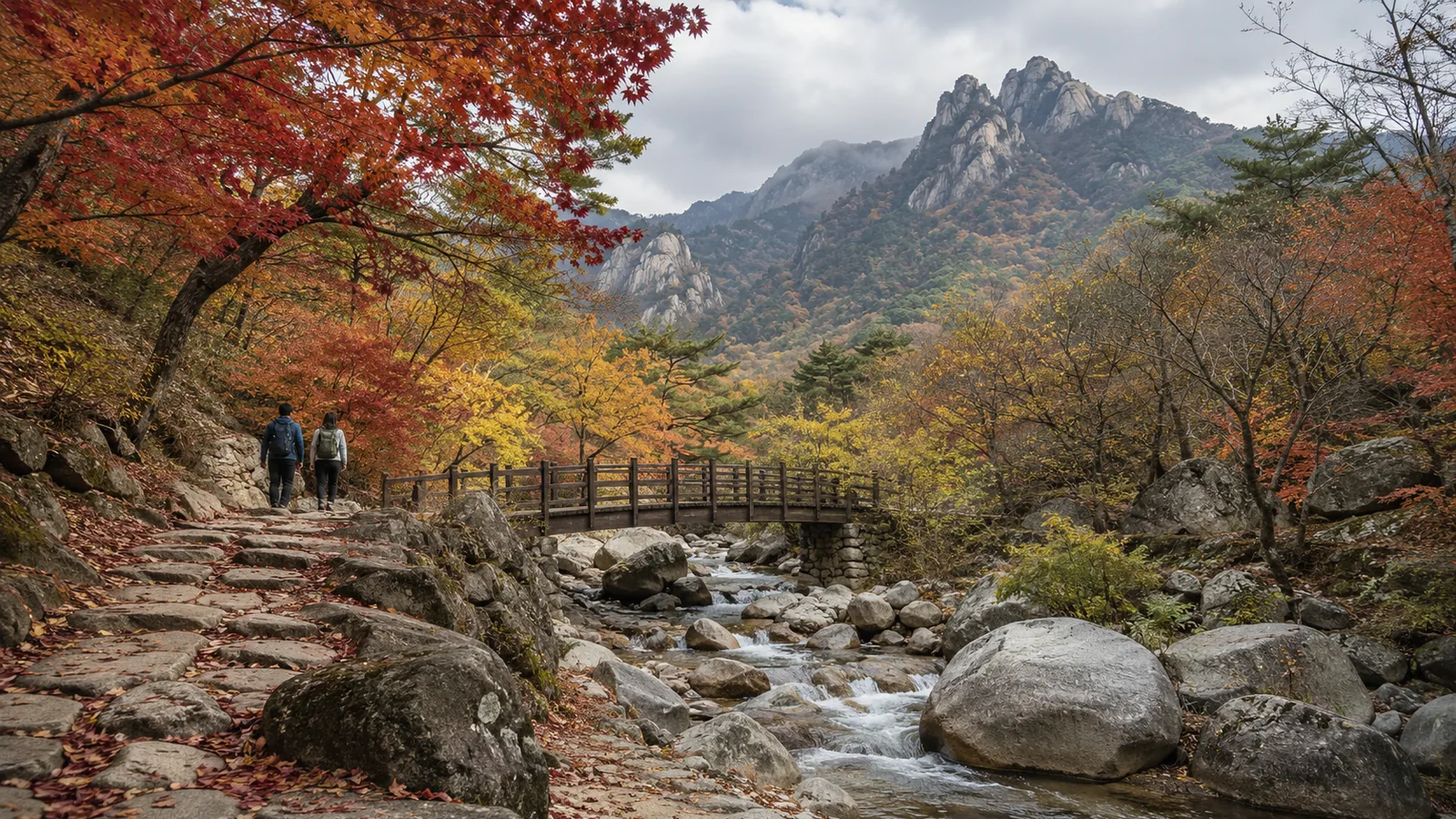
The best time to visit South Korea is April to early June or September to early November. Those windows give you mild days, low humidity and the two big color shows: spring flowers and fall foliage. Summer is hot, humid and wet. Winter is cold and dry but cheap and uncrowded.
Below is Seoul's weather by month from official climate normals, plus the rainy season, typhoons and the 2027 holiday dates that pack trains and close shops. If you're still sketching the route, our South Korea itinerary planner pairs well with this page.
South Korea weather by month (Seoul)
Korea has four distinct seasons. The Korea Meteorological Administration's Seoul climate summary puts the 1991 to 2020 annual mean at 55°F (12.8°C), with January the coldest month and August the hottest. About 63% of Seoul's yearly rain falls in June, July and August.
| Month | Mean temp | Rain/snow | What it feels like |
|---|---|---|---|
| January | 29°F (-1.9°C) | 0.6 in (16 mm) | Coldest and driest month; dress for wind chill |
| February | 33°F (0.7°C) | 1.1 in (28 mm) | Still cold; Seollal falls here in 2027 |
| March | 43°F (6.1°C) | 1.5 in (37 mm) | Chilly start, flowers by month's end in the south |
| April | 55°F (12.6°C) | 2.8 in (72 mm) | Peak spring blossom season in Seoul |
| May | 65°F (18.3°C) | 4.1 in (104 mm) | Warm, green, very popular |
| June | 73°F (22.7°C) | 5.1 in (130 mm) | Humid; rainy season starts late in the month |
| July | 78°F (25.3°C) | 16.3 in (415 mm) | Wettest month by far |
| August | 79°F (26.1°C) | 13.7 in (348 mm) | Hottest month, beach season |
| September | 71°F (21.7°C) | 5.6 in (142 mm) | Drying out; Chuseok in mid-September 2027 |
| October | 59°F (15.1°C) | 2.1 in (52 mm) | Clear and crisp; foliage peaks in the mountains |
| November | 46°F (7.5°C) | 2.0 in (51 mm) | Late foliage in the south, first frost and snow |
| December | 32°F (0.2°C) | 0.9 in (24 mm) | Cold, dry, holiday lights |
These are monthly means, so daytime highs run warmer and nights colder. The Korea Tourism Organization's climate page lists an August high of 86°F (30°C) and a January low of 22°F (-5.5°C) for Seoul. Busan, on the south coast, stays milder in winter.
Packing rule of thumb: a light jacket in March and October, layers in November, and a real winter coat, gloves and non-slip shoes from December to February.
When is the best time to go to South Korea?
Spring: April to early June
Forsythia, cherry blossoms, azaleas and roses bloom in sequence from March into May. Bloom dates move every year with the weather, so check the forecast a few weeks out rather than locking flights to a single weekend. May is warm without the summer stickiness.
Fall: September to early November
Fall is the season most Koreans would pick. The Korea Forest Service's 2026 forecast had foliage peaking at Seoraksan around October 20, Songnisan around October 28, Naejangsan around November 4 and Hallasan on Jeju around November 6, with the country as a whole peaking in late October. Expect similar timing in 2027, and check the new forecast each September.
Rainy season (jangma) and typhoons
The summer rainy season, called jangma (also written changma), begins in the south in late June and moves north. The KMA's climate overview says it lasts about 30 days on average and brings more than half of the year's rain, often in heavy bursts. In Seoul that means late June through late July.
Typhoon season runs June to October. Of the roughly 28 typhoons that form in the Northwest Pacific each year, two or three affect the Korean Peninsula. If you're heading to Jeju Island or the south coast in August or September, build a spare day in case ferries or flights are delayed.
Holidays to plan around: Seollal and Chuseok 2027
The two big family holidays follow the lunar calendar. A huge share of the country travels to family hometowns, so KTX seats sell out early, highways jam and some smaller restaurants and shops close for a day or two. Check opening days for anything on your list before you go.
| Holiday | Main day | Days off | Travel impact |
|---|---|---|---|
| Seollal (Lunar New Year) | Sunday, February 7 | February 6 to 9 (includes a substitute holiday) | Trains and buses packed on both ends; some shops close |
| Chuseok (harvest festival) | Wednesday, September 15 | September 14 to 16 | Heavy travel the weekend before and after |
The upside is that many Seoul residents head to their hometowns, so if you stay put in the capital the holiday can feel calmer. Just book any intercity train the day sales open; see our guide to getting around South Korea for how Korail booking works.
Summer and winter: who should go anyway
Summer suits beach trips. Korea has more than 270 beaches, and Busan's Haeundae and Gwangalli are at their liveliest in July and August. Bring breathable clothes, sunscreen and an umbrella, and plan indoor backups such as museums and markets.
Winter is the value season. Average temperatures sit around freezing, but skies are often clear, ski resorts in Gangwon open, and a hot jjimjilbang (bathhouse) feels great after a cold day. Seoul's normal first snow date is November 20.
Best time to visit by region
Korea is small enough that the seasons line up nationwide, but there are differences worth knowing.
| Region | Best months | Weather notes |
|---|---|---|
| Seoul | April to May, September to October | August high around 86°F (30°C); January low around 22°F (-5.5°C) |
| Busan and the south coast | May to June, September to October | Milder winters: January low around 31.8°F (-0.1°C); August high around 85°F (29.5°C) |
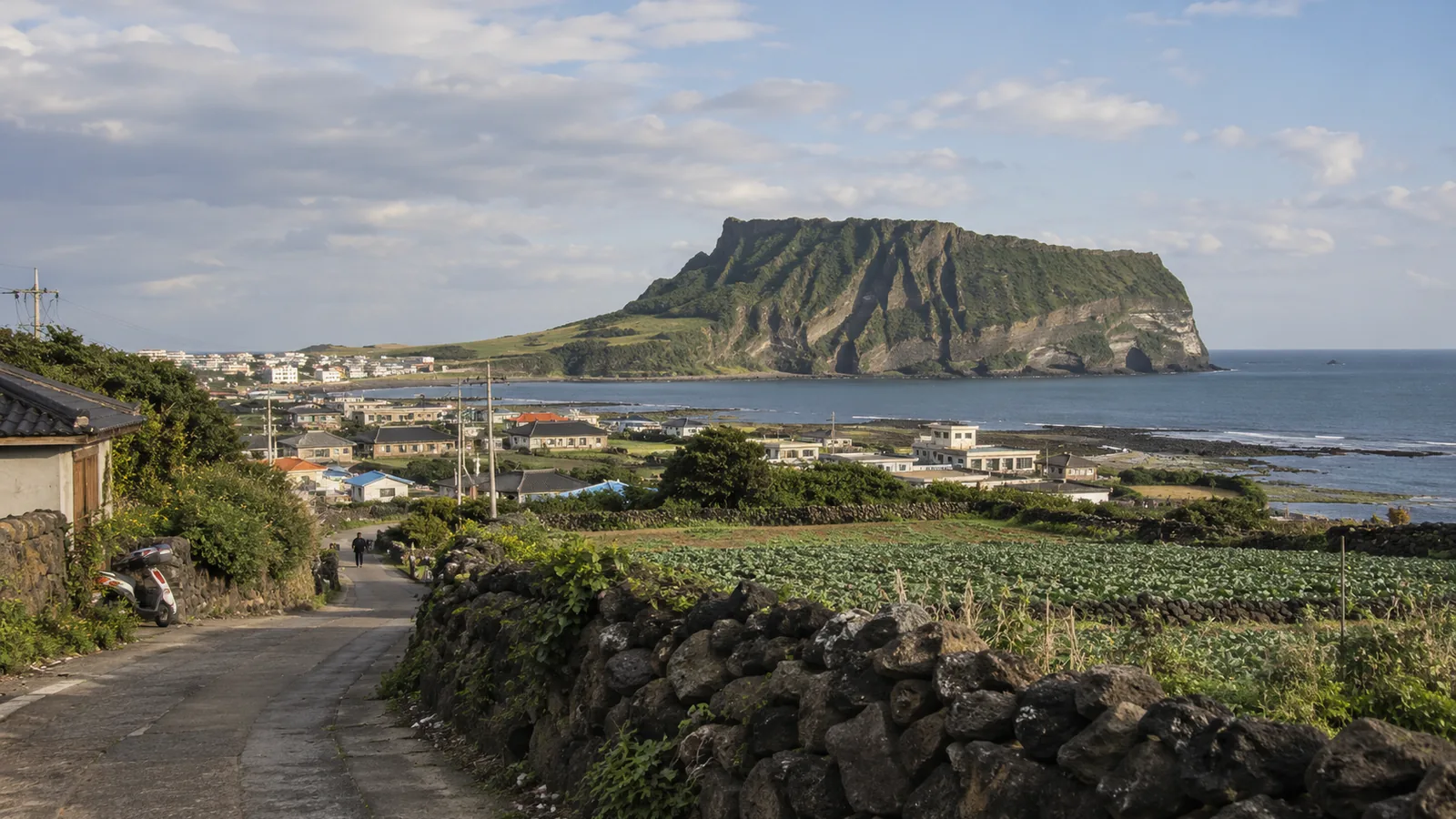
| Jeju Island | April to May, October to November | Wetter than the mainland: Jeju City gets about 68 in (1,728 mm) a year and Seogwipo about 103 in (2,618 mm) |
| Gangwon (Seoraksan, Gangneung) | Early to late October; December to February for skiing | First place to see fall color; 2026 foliage peak at Seoraksan was forecast for October 20 |
Gyeongju and Jeonju follow the mainland pattern: pleasant in spring and fall, sticky in summer. If you only have one shot at the country, fall gives the widest spread of good weather from north to south.
Prices, crowds and the cheapest months to fly
The Korea Tourism Organization flags July to August and December to January as peak periods when airfares rise sharply. Spring and fall are popular too, so fares and hotel rates are rarely rock-bottom then. For lower prices, look at late winter (outside Seollal), early June before the rains, or mid-November.
Hotels are usually cheaper on weekdays than weekends. For a full breakdown of daily spending, see the South Korea trip cost guide, and compare flight options on our flights to South Korea page.
Rules and forecasts change. As of October 2026, check bloom and foliage forecasts, the KMA weather site and Korail's booking calendar shortly before you travel.
Frequently asked questions
What is the best month to visit South Korea?
October is the safest single pick: clear skies, Seoul averaging about 59°F (15°C) and mountain foliage near its peak. Late April and May are close behind for spring weather.
What is the weather like in South Korea in summer?
Hot and humid, with Seoul averaging 78 to 79°F (25 to 26°C) in July and August. July is the wettest month because of the rainy season, and typhoons are possible from June to October.
When is the rainy season in South Korea?
The rainy season (jangma) starts in the south in late June and moves north, lasting about 30 days on average. In Seoul it usually covers late June to late July.
When are Chuseok and Seollal in 2027?
Seollal falls on February 7, 2027, with days off from February 6 to 9. Chuseok falls on September 15, 2027, with days off from September 14 to 16.
Is winter a good time to visit South Korea?
Yes, if you dress for it. January averages below freezing in Seoul, but it is the driest month, crowds are thin and ski season is running.
Sources
- www.weather.go.kr/w/climate/statistics/regional-char.do?area=1
- www.data.jma.go.jp/cpd/monitor/climatview/graph_mkhtml.php?&n=47108&p=30&s=1&r=0&y=2025&m=
- www.kma.go.kr/neng/biz/climate/climate-of-korea.do
- english.visitkorea.or.kr/svc/contents/contentsView.do?vcontsId=140636
- english.visitkorea.or.kr/svc/contents/contentsView.do?vcontsId=140638
- biz.heraldcorp.com/article/10791105
- www.khan.co.kr/en/article/202609221133007
- english.visitkorea.or.kr/public/contents/region/ENG/Jeju_TravelLeafleet_ENG.pdf
Prices, schedules and entry rules change. Confirm details with official sources and operators before you travel. See our terms of use.