 South Korea
Things to Do in South Korea: The Best Places to Visit by Region
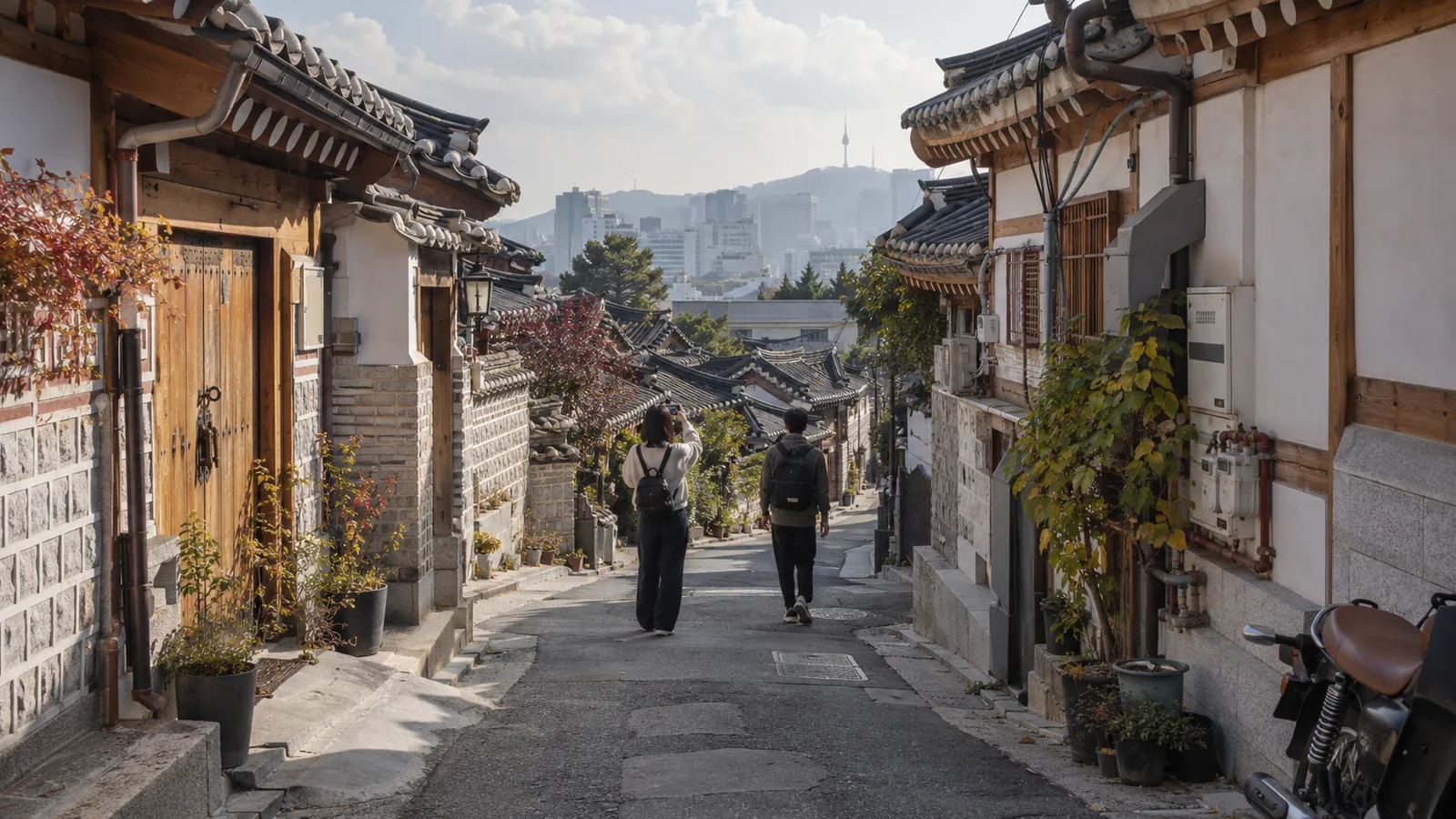
The best things to do in South Korea fall into four clusters: Seoul's palaces and neighborhoods, Busan's coast, Jeju's volcanic landscapes, and Gyeongju's ancient temples and tombs. Add a DMZ trip or a night at a Buddhist temple and you've got the core of a great first visit. This page groups the main sights by region so you can match them to your route.
We've leaned on the Korea Tourism Organization's own list of 100 must-visit tourist spots and the UNESCO World Heritage list, then cut it down to what fits a one- or two-week trip. Hours and prices change, so confirm with each site before you go.
Places to visit in South Korea at a glance
| Attraction | Region | Best for | Plan ahead? |
|---|---|---|---|
| Five Royal Palaces (Gyeongbokgung, Changdeokgung and others) | Seoul | History, architecture | Check closing days on the palace site |
| N Seoul Tower | Seoul | City views | Check hours with the operator |
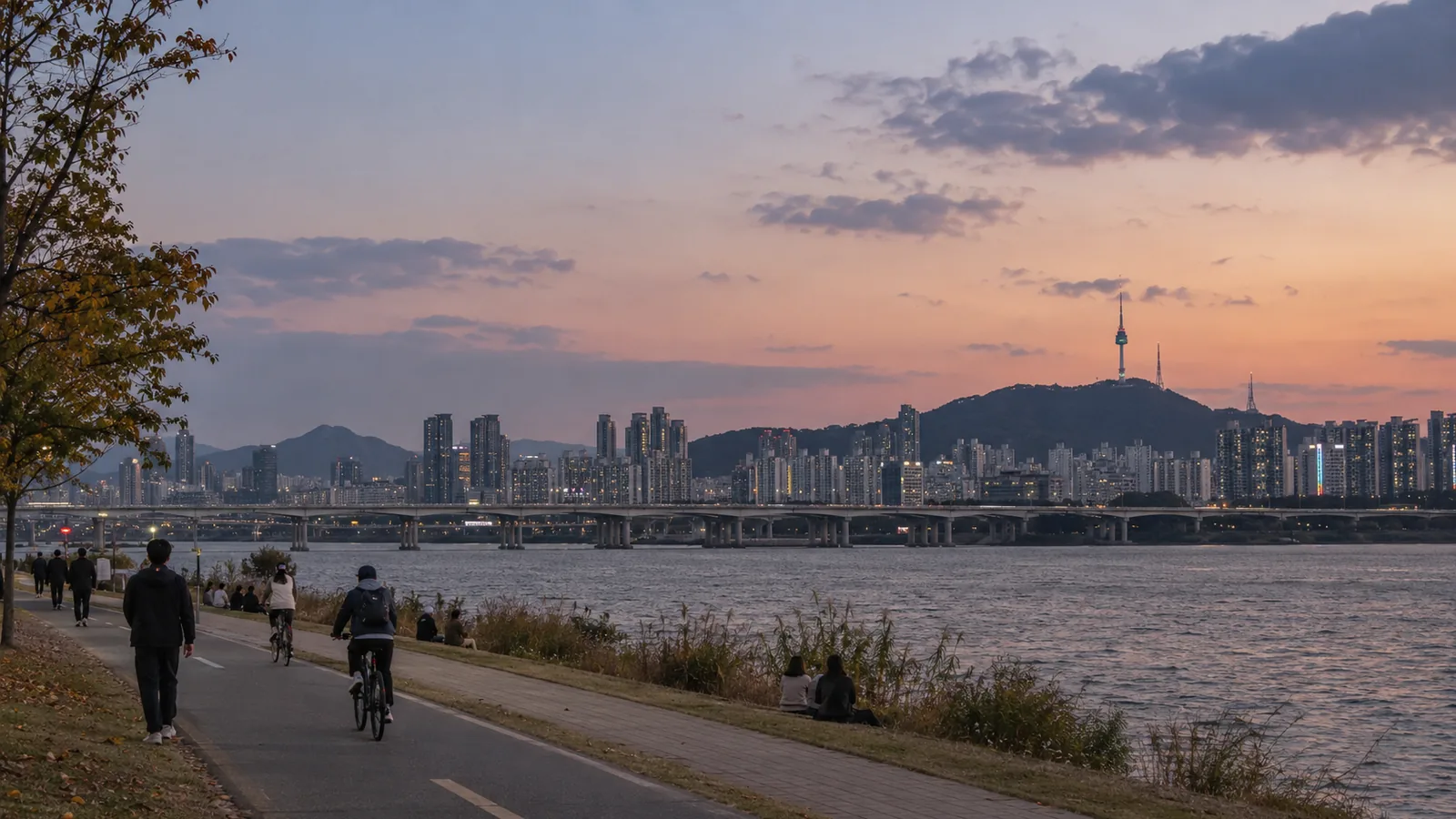
| Hangang Park | Seoul | Picnics, bike rides along the river | No |
| Gamcheon Culture Village | Busan | Hillside village lanes | No |
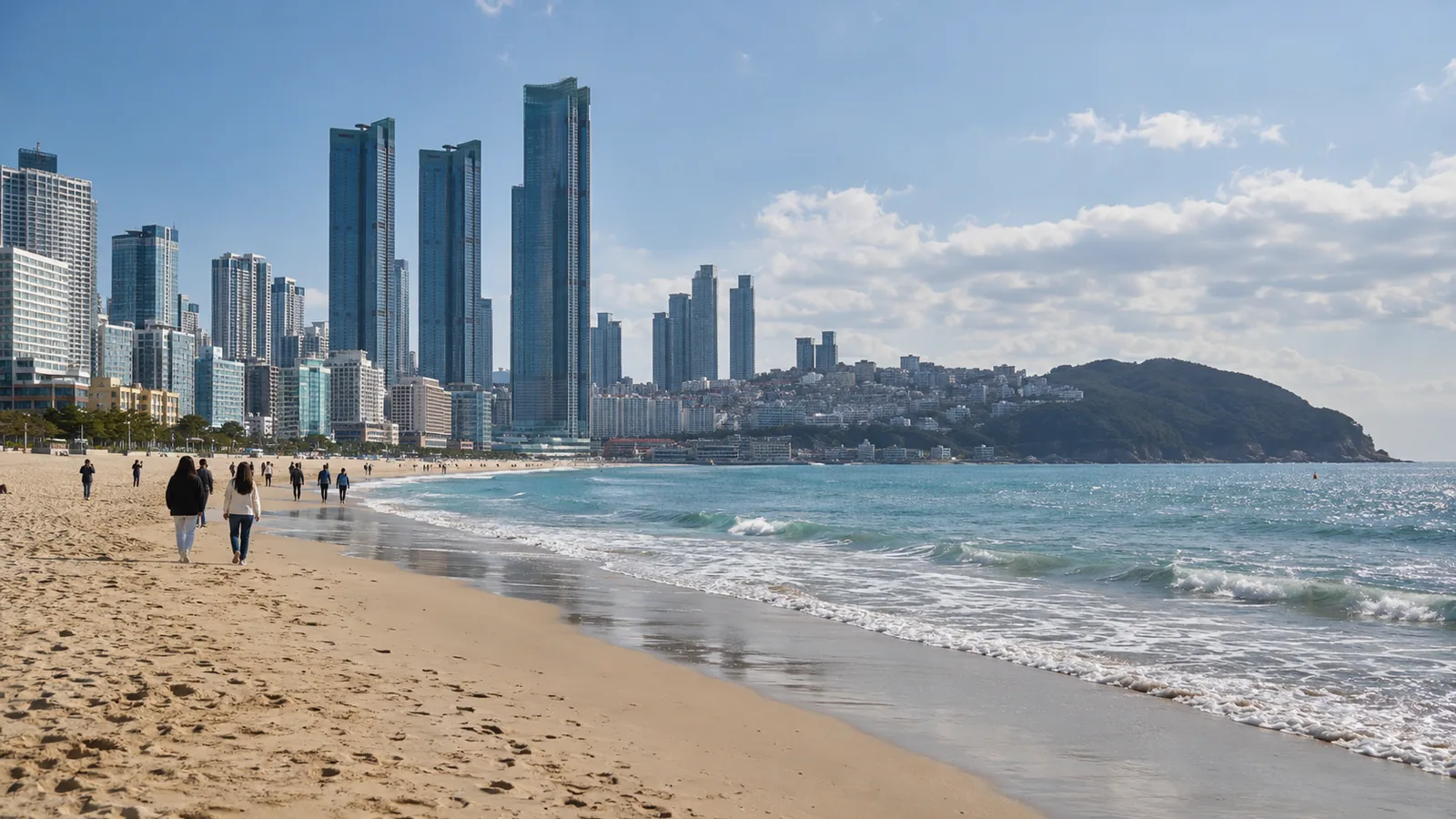
| Haeundae and Gwangalli beaches | Busan | Beach time | No |
| Haedong Yonggungsa Temple | Busan | Seaside temple | No |
| Hallasan National Park | Jeju | Hiking Korea's highest peak | Yes: summit trails need a reservation |
| Seongsan Ilchulbong Tuff Cone | Jeju | Sunrise, volcanic crater | No |
| Bulguksa Temple and Seokguram Grotto | Gyeongju | UNESCO Buddhist sites | No |
| Daereungwon tomb complex and Hwangnidan Street | Gyeongju | Royal tombs, cafes | No |
| Imjingak and the Paju DMZ area | Gyeonggi-do | Korean War history | Bring a passport or ID; join a tour for restricted areas |
| Nami Island | Gangwon | River island day trip | No |
Things to do in Seoul
Seoul has five royal palaces from the Joseon dynasty, and you could spend two days on them alone. If you only see one, make it Changdeokgung, built in the early 15th century and on the UNESCO list since 1997. Behind it sits the Secret Garden (Biwon), a terraced landscape of pavilions, a lotus pool and over 56,000 trees and plants. Gyeongbokgung, the dynasty's main palace, sits on the north side of Gwanghwamun Square.
After the palaces, go up N Seoul Tower for the view, walk Gwanghwamun Square and Cheonggye Plaza, and spend an evening in Hangang Park by the river. The National Museum of Korea is a solid rainy-day option. For neighborhoods, the tourism office's own list picks Hongdae's Red Road, Seongsu-dong next to Seoul Forest, and Seochon Village near the old Blue House.
Our Seoul travel guide breaks this down by neighborhood, with subway lines and day trips.
Best places to visit in Busan and the southeast
Busan is Korea's second city and its beach town. Haeundae Beach and Gwangalli Beach are the two city beaches most visitors head for, and Gwangalli has a stand-up paddleboard zone. Gamcheon Culture Village is a hillside neighborhood of small houses and lanes turned into an art village. Haedong Yonggungsa is a Buddhist temple set right on the rocks above the sea, and Taejongdae Park is the coastal park for a half-day walk.
Inland, Daegu's Seomun Market is on the tourism office's must-visit list, and Gyeongju (below) is close enough to pair with Busan. More detail in our Busan guide.
Things to do in Gyeongju
Gyeongju was the capital of the Silla dynasty, which UNESCO describes as ruling for almost 1,000 years (57 BCE to 935 CE). The whole city reads like an open-air museum. Bulguksa Temple, built in 774, and Seokguram Grotto, an 8th-century cave shrine on Mount Tohamsan, share a single UNESCO listing. In town, the grassy mounds of the Daereungwon royal tombs sit a short walk from Cheomseongdae observatory and the cafes of Hwangnidan Street.
Woljeonggyo Bridge and the Wolseong area around Anapji Pond are close by and easy to fit into the same day. Outside town, Yangdong is one of Korea's two historic villages on the UNESCO list. Our Gyeongju guide covers how to get there and where to stay.
Things to do on Jeju Island
Jeju is a volcanic island, and its three UNESCO-listed areas are the reason most people go. Hallasan, at 6,398 feet (1,950 m), is South Korea's highest peak. As of October 2026, the Seongpanak and Gwaneumsa summit trails run on a reservation system and you can enter only during your booked time, so reserve through the official Hallasan reservation site before you fly.
Seongsan Ilchulbong is a tuff cone rising out of the sea on the east side of the island, about 80 minutes from Jeju airport by taxi. The Geomunoreum lava tube system is what UNESCO calls the finest lava tube cave system in the world; check which caves are open before you go. Add Udo Island, a section of the Jeju Olle Trail, or the Bijarim forest. Our Jeju Island guide has a full plan.
Fun things to do in South Korea beyond the big cities
Visit the DMZ
The DMZ is the buffer zone between North and South Korea created by the 1953 Armistice Agreement. Many sites lie beyond the Civilian Control Line and are closed to individual visitors, so most people go with a tour, and photography is heavily restricted. Bring your passport or other valid ID. In Paju, Pyeonghwa Nuri Park at Imjingak is free and open 24 hours, the Odusan Unification Observatory is free (closed Mondays), and the Imjingak Peace Gondola costs ₩10,000 to ₩12,000 round trip (about $7.50 to $9 at October 2026 rates).
Panmunjeom (the Joint Security Area) was closed to civilian tours when the Korea Tourism Organization last updated its page in October 2025. Check the official Panmunjeom tour site or call the 1330 Korea Travel Helpline before booking anything that promises the JSA.
Stay overnight at a Buddhist temple
Templestay lets you stay at a Buddhist temple and experience temple life and Buddhist culture. The official Templestay site lists about 170 participating temples across the country, including 19 in Seoul, with day programs, experience programs, rest-focused stays and group options. If you can't spare a night, the day programs fit into a city itinerary. Prices aren't listed on the main page, so check each temple's program.
Spend an evening at a jjimjilbang
A jjimjilbang is a Korean bathhouse and sauna with a shared lounge where people eat, rest and sometimes stay the night. Expect gender-separated bathing areas and loaner clothes for the common areas. Prices and rules vary by place, so check before you go.
Shop and eat at a traditional market
Markets are where you'll eat best for least. Daegu's Seomun Market, the Sokcho Tourist Fish Market on the east coast and Hwagae Market near Ssanggyesa Temple all appear on the tourism office's must-visit list. See our Korean food guide for what to order.
Ready to string these together? Our South Korea itinerary turns them into 7-, 10- and 14-day routes, and the best time to visit page tells you when cherry blossoms and autumn colors peak.
Frequently asked questions
What is South Korea best known for as a tourist destination?
Royal palaces and food in Seoul, beaches in Busan, volcanic scenery on Jeju and ancient Silla temples in Gyeongju. Korea has 17 UNESCO World Heritage properties.
Can you visit the DMZ from Seoul?
Yes. The Paju area in Gyeonggi-do, including Imjingak, is the DMZ area closest to Seoul, and tours handle access to restricted sites. Bring a passport or valid ID, and check current status because some sites close without much notice.
Do I need to book Hallasan in advance?
Yes, for the summit. As of October 2026, the Seongpanak and Gwaneumsa trails run on reservations through the official Hallasan site, and entry is allowed only at your reserved time.
What can you do in South Korea in winter?
Palaces, museums, markets and jjimjilbang bathhouses work in any season, and winter is a quieter time for Seoul sightseeing. Check the best time to visit page for monthly weather.
Is a temple stay in Korea open to non-Buddhists?
Yes. Templestay programs are designed for visitors who want to experience temple life, and you book them through the official Templestay website.
Sources
- english.visitkorea.or.kr/svc/contents/contentsView.do?vcontsId=145437
- whc.unesco.org/en/statesparties/kr
- whc.unesco.org/en/list/816
- whc.unesco.org/en/list/736
- whc.unesco.org/en/list/976
- whc.unesco.org/en/list/1264
- visithalla.jeju.go.kr/main/main.do
- english.visitkorea.or.kr/svc/contents/contentsView.do?vcontsId=139771
- english.visitkorea.or.kr/svc/contents/contentsView.do?vcontsId=139773
- english.visitkorea.or.kr/svc/contents/contentsView.do?vcontsId=156589
- eng.templestay.com
- english.visitkorea.or.kr/svc/contents/contentsView.do?vcontsId=140654
Prices, schedules and entry rules change. Confirm details with official sources and operators before you travel. See our terms of use.