 South Korea
 Trip Cost: Daily Budgets, Real Prices and Ways to Save
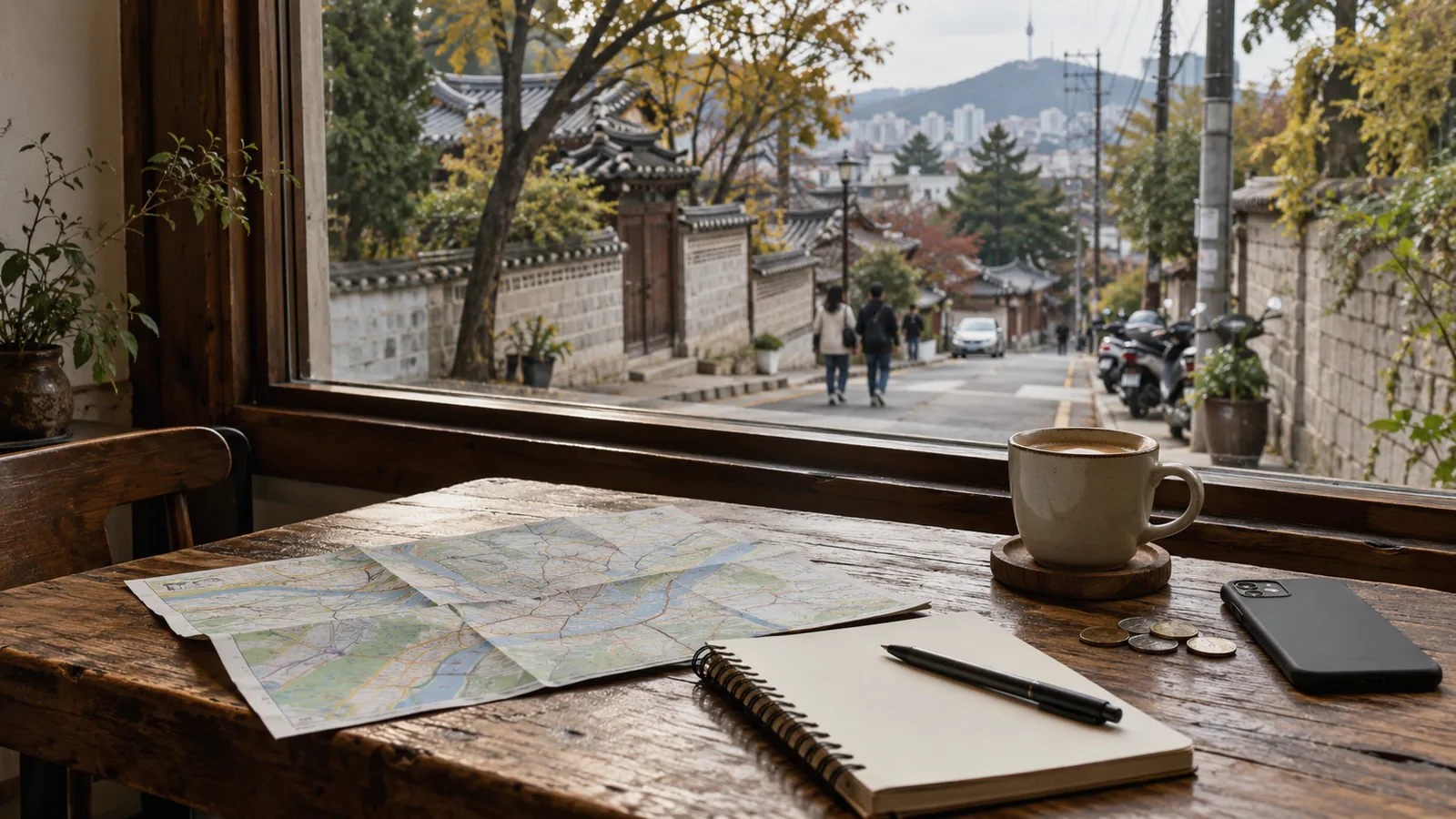
Outside of flights, a careful traveler can do Korea on about ₩86,000 (about $65) a day, and a comfortable mid-range trip runs about ₩170,000 (about $128) per day before upgrades. Food and public transit are cheap by US standards. Lodging is where budgets split.
Every price below comes from an official survey or operator, and every conversion uses the site-wide rate of ₩1,330 = $1 (October 2026). The won moves, so check the current rate before you go.
How much does a trip to South Korea cost per day?
These tiers are our estimates per person, built from the official prices in the sections that follow. They assume Seoul prices, which run higher than most of the country, and one person per room. Two people sharing a room cut the lodging line roughly in half.
| Item | Budget | Mid-range | Comfort |
|---|---|---|---|
| Lodging | ₩53,000 ($40), basic inn or guesthouse | ₩100,000 ($75), business hotel | Your hotel rate; check current prices |
| Food | ₩25,000 ($19), gimbap, stews, noodles | ₩50,000 ($38), BBQ dinner, cafes | ₩80,000 ($60) and up |
| Local transit | ₩5,000 ($3.76), Climate Card day pass | ₩10,000 ($7.50), transit plus a short taxi | ₩20,000 ($15) and up, more taxis |
| Sights | ₩3,000 ($2.26), one palace, free museums | ₩10,000 ($7.50) | ₩30,000 ($23) and up, paid attractions |
| Daily total | About ₩86,000 ($65) | About ₩170,000 ($128) | About ₩130,000 ($98) plus your hotel |
So a 7-day trip on the mid-range plan comes to about ₩1,190,000 (about $895) on the ground, plus flights and any long-distance trains. Add a bit for shopping, a jjimjilbang night and souvenirs. For routes that match these numbers, see our South Korea itinerary plans.
Food prices in Seoul
Korea's consumer price portal, run by the Korea Consumer Agency, publishes average restaurant prices by region. These are the latest Seoul dining-out figures shown in October 2026 (provisional, so they can be revised).
| Dish | Average price | In US dollars |
|---|---|---|
| Gimbap (seaweed rice roll) | ₩3,923 | about $2.95 |
| Jajangmyeon (black bean noodles) | ₩7,808 | about $5.87 |
| Kimchi jjigae set meal | ₩8,846 | about $6.65 |
| Kalguksu (knife-cut noodles) | ₩10,038 | about $7.55 |
| Bibimbap | ₩12,000 | about $9.02 |
| Naengmyeon (cold noodles) | ₩12,692 | about $9.54 |
| Samgyetang (ginseng chicken soup) | ₩18,269 | about $13.74 |
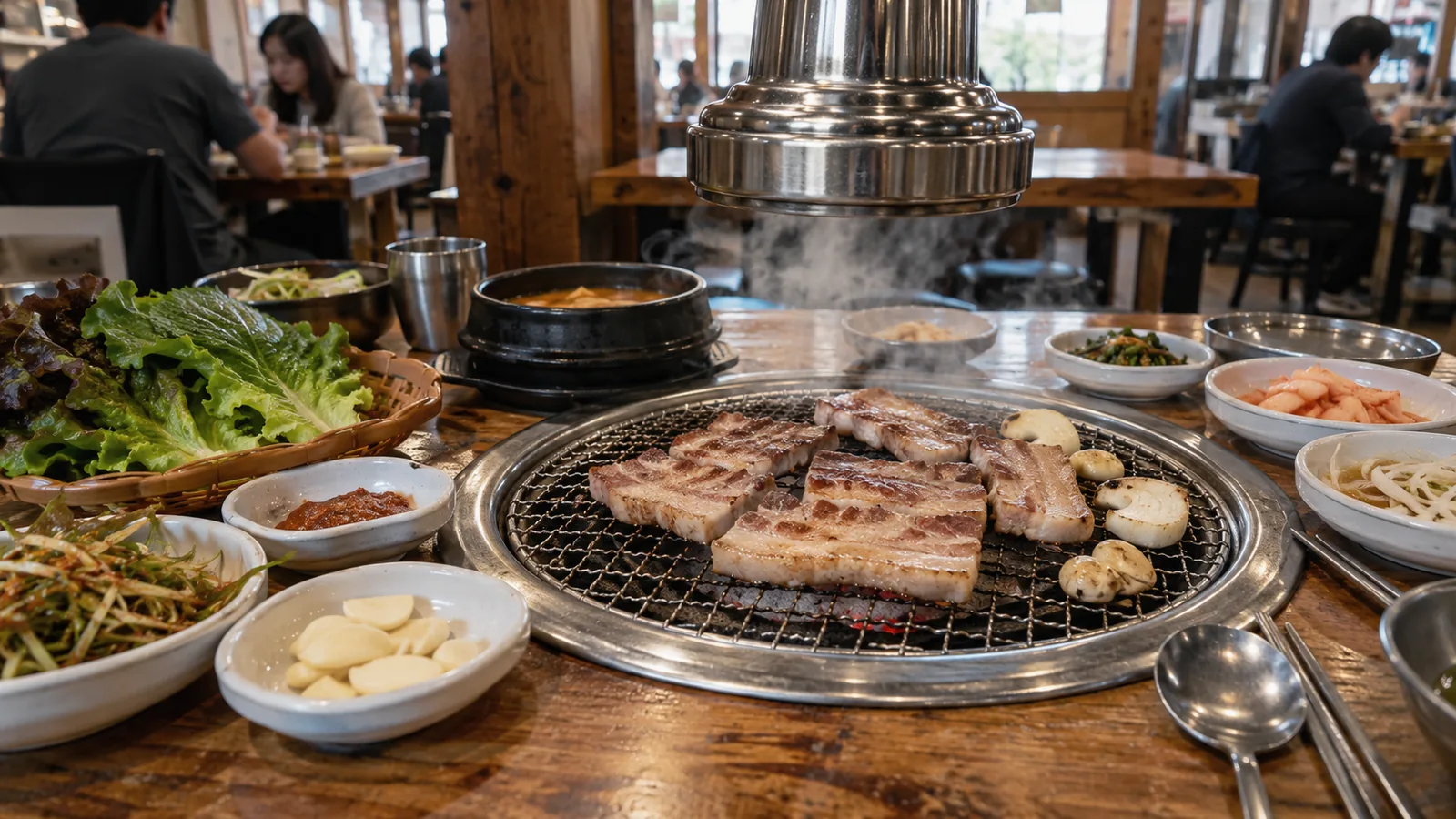
| Samgyeopsal (pork belly, 200 g) | ₩21,321 | about $16.03 |
Notice the spread: a filling noodle or stew lunch costs under $10, while pork belly for two quickly becomes the priciest meal of the day. Mix the two and food stays well under US restaurant prices. Our Korean food guide explains what to order.
Transportation costs
Getting around is one of Korea's bargains. Seoul Metro's base fare is ₩1,550 (about $1.17) with a transit card or ₩1,650 (about $1.24) with a single-journey ticket for trips up to 10 km (6.2 miles). Transfers between subway and city bus within the time window are discounted when you tap a card.
| Item | Price | In US dollars |
|---|---|---|
| T-money card (one-time purchase) | ₩3,000 to ₩5,000 | $2.26 to $3.76 |
| Seoul subway base fare (card) | ₩1,550 | about $1.17 |
| Climate Card short-term pass, 1 / 3 / 7 days | ₩5,000 / ₩10,000 / ₩20,000 | $3.76 / $7.52 / $15.04 |
| AREX direct train, Incheon Airport to Seoul Station | About ₩13,000 (adult, 2026 listings) | about $9.77 |
| AREX all-stop train to Seoul | ₩4,750 to ₩5,350 | $3.57 to $4.02 |
| Taxi, Incheon Airport to Myeongdong (estimate) | ₩47,000 to ₩52,000 plus ₩7,900 tolls | $35 to $39 plus about $6 |
| Korail Pass, 2-day / 5-day flexible (adult) | ₩131,000 / ₩275,000 | $98.50 / $206.77 |
The Seoul Climate Card (a physical card costs ₩3,000) covers Seoul subway lines except Sinbundang and GTX, plus Seoul buses, according to the Korea Tourism Organization's transport card guide. Its terms changed on October 1, 2026, so check the current version before buying. If you ride the subway more than three or four times a day, the short-term pass pays off.
For long-distance trains, compare single tickets with the Korail Pass. The pass is for foreigners only, doesn't cover subways, and only makes sense if you take several long rides. It never covered the SRT; those Suseo trains became KTX on September 1, 2026, so confirm whether your pass covers them. Booking details are in our getting around South Korea guide.
Lodging and sightseeing costs
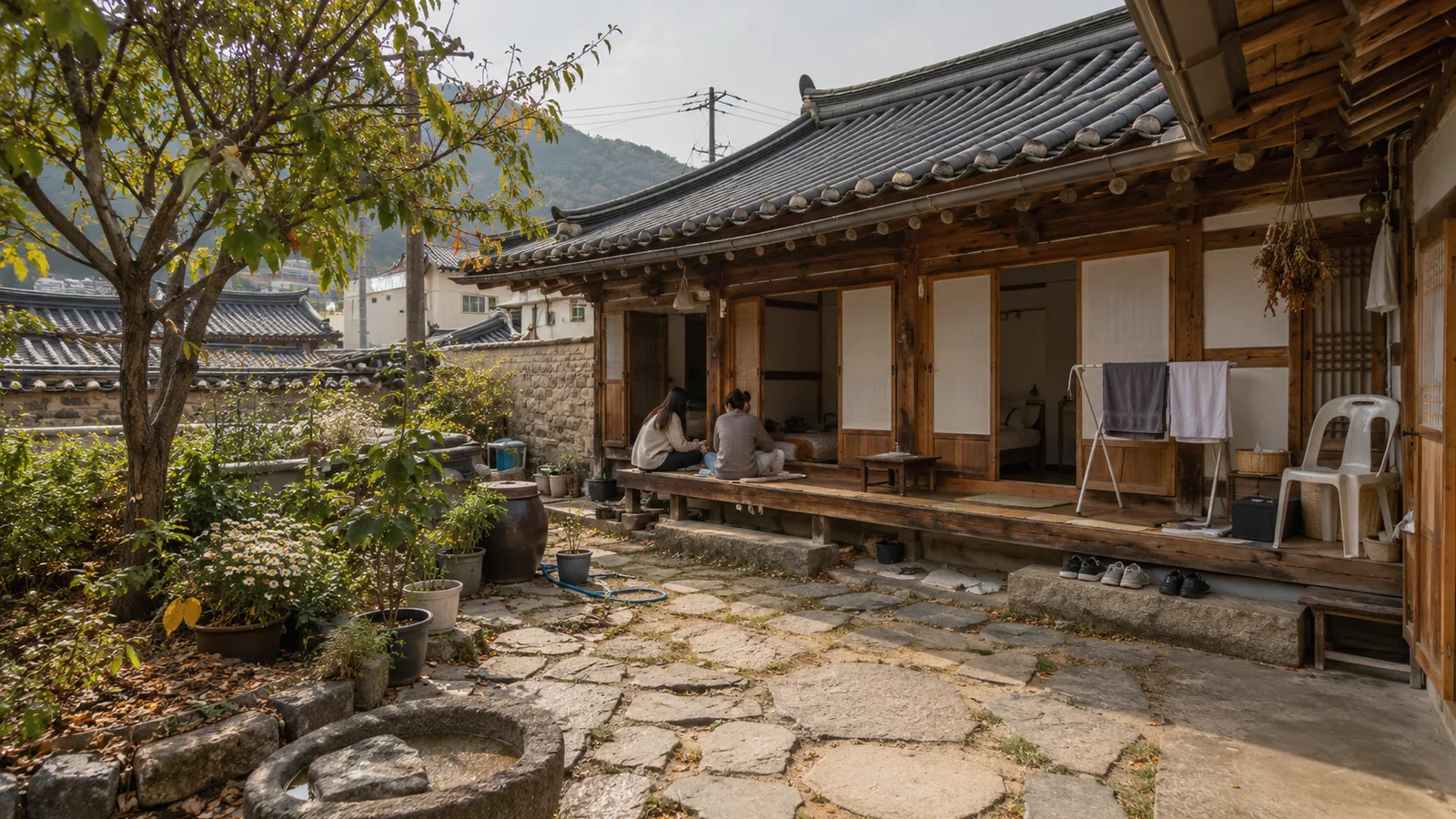
Korea's consumer price survey puts an average Seoul yeogwan (a basic inn room with a private bath) at ₩53,000 (about $40) a night. The Korea Tourism Organization's own Benikea business hotels are listed at around ₩100,000 (about $75). International chains and hanok stays vary widely, and weekday rates are usually lower than weekends. Our where to stay in South Korea guide compares neighborhoods and lodging types.
Sightseeing is cheap. Adult admission to Gyeongbokgung and Changdeokgung is ₩3,000 (about $2.26), and Deoksugung, Changgyeonggung and Jongmyo are ₩1,000 (about $0.75). Visitors wearing hanbok get in free. The National Museum of Korea and Gyeongju National Museum are free too.
How much are flights to South Korea?
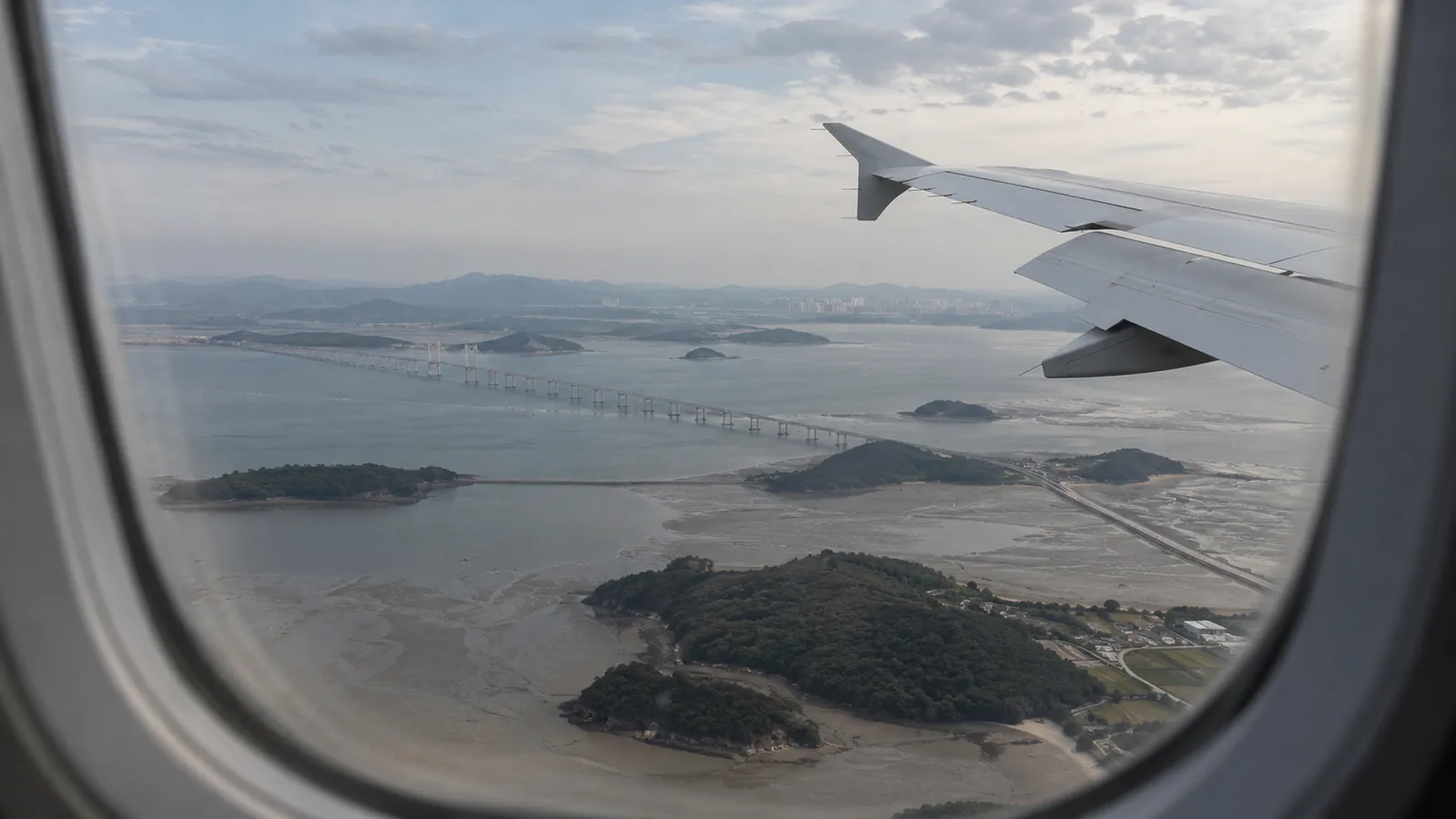
Airfare is usually the single largest cost and swings widely with your US departure city, the season and how far ahead you book, so we don't print a number that would be out of date next week. The Korea Tourism Organization flags July to August and December to January as peak periods when fares rise sharply. See our flights to South Korea page for routes, and our best time to visit guide for shoulder-season dates.
Ways to cut your South Korea travel budget
- Travel midweek for lower hotel rates.
- Eat at bunsik shops, markets and convenience stores. A gimbap and a bowl of noodles cost under ₩15,000 (about $11).
- Use a transit card for every ride to get transfer discounts, and walk between nearby sights.
- Wear hanbok to the palaces for free entry at Gyeongbokgung and Deoksugung (rental costs extra).
- Use free public Wi-Fi in subway stations, cafes and hotels to stretch a smaller data plan.
- Skip taxis from Incheon. The AREX all-stop train costs less than a tenth of the taxi fare.
Cost of living in South Korea for longer stays
If you're staying a month or more, everyday services matter more than attractions. The same government survey lists Seoul averages of ₩13,308 (about $10) for a men's haircut, ₩24,462 (about $18) for a women's haircut, ₩11,692 (about $8.80) to dry-clean a suit and ₩11,000 (about $8.27) at the top end for a public bath. Day-to-day food and transit stay cheap; rent is the big variable, and you'd need to check current listings for the neighborhood you want.
Prices and passes change. Everything here was checked in October 2026; confirm fares with the operator before you buy, and see our South Korea travel tips for cards, cash and safety.
Frequently asked questions
How much does a trip to South Korea cost for a week?
On the ground, about ₩600,000 (about $450) on a tight budget or ₩1,190,000 (about $895) mid-range for seven days, per person. Flights are extra and vary widely by season and departure city.
Is South Korea expensive to visit?
Not for food and transit. A bibimbap averages ₩12,000 (about $9) in Seoul and a subway ride starts at ₩1,550 (about $1.17); hotels are the main expense.
How much cash should I bring to South Korea?
Carry some won for market stalls, street food and topping up transit cards at machines. Some passes, such as the foreigner-only Mpass, are sold for cash only.
Is the Korail Pass worth the money?
Only for several long train rides. A 2-day flexible pass costs ₩131,000 (about $98.50) for adults, so price your actual trips first.
What is the exchange rate for South Korean won?
This site uses ₩1,330 = $1, the October 2026 rate. Rates move daily, so check your bank or card issuer before you travel.
Sources
- www.price.go.kr/tprice/portal/servicepriceinfo/dineoutprice/dineOutPriceList.do
- www.price.go.kr/tprice/portal/servicepriceinfo/serviceindustryprice/serviceIndustryPriceLi
- www.seoulmetro.co.kr/en/page.do?menuIdx=354
- english.visitkorea.or.kr/svc/contents/contentsView.do?vcontsId=140663
- english.visitseoul.net/airport-to-seoul
- english.visitseoul.net/Getting-to-seoul
- www.letskorail.com/ebizbf/EbizBfKrPassAbout.do
- english.visitkorea.or.kr/svc/contents/contentsView.do?vcontsId=140677
- english.visitkorea.or.kr/svc/contents/contentsView.do?vcontsId=140638
- english.visitkorea.or.kr/svc/contents/contentsView.do?vcontsId=140636
- royal.khs.go.kr/ROYAL/contents/R703000000.do
- english.visitkorea.or.kr/svc/contents/contentsView.do?vcontsId=140656
Prices, schedules and entry rules change. Confirm details with official sources and operators before you travel. See our terms of use.