 South Korea
Is South Korea Safe? Travel Tips for Americans in 2026
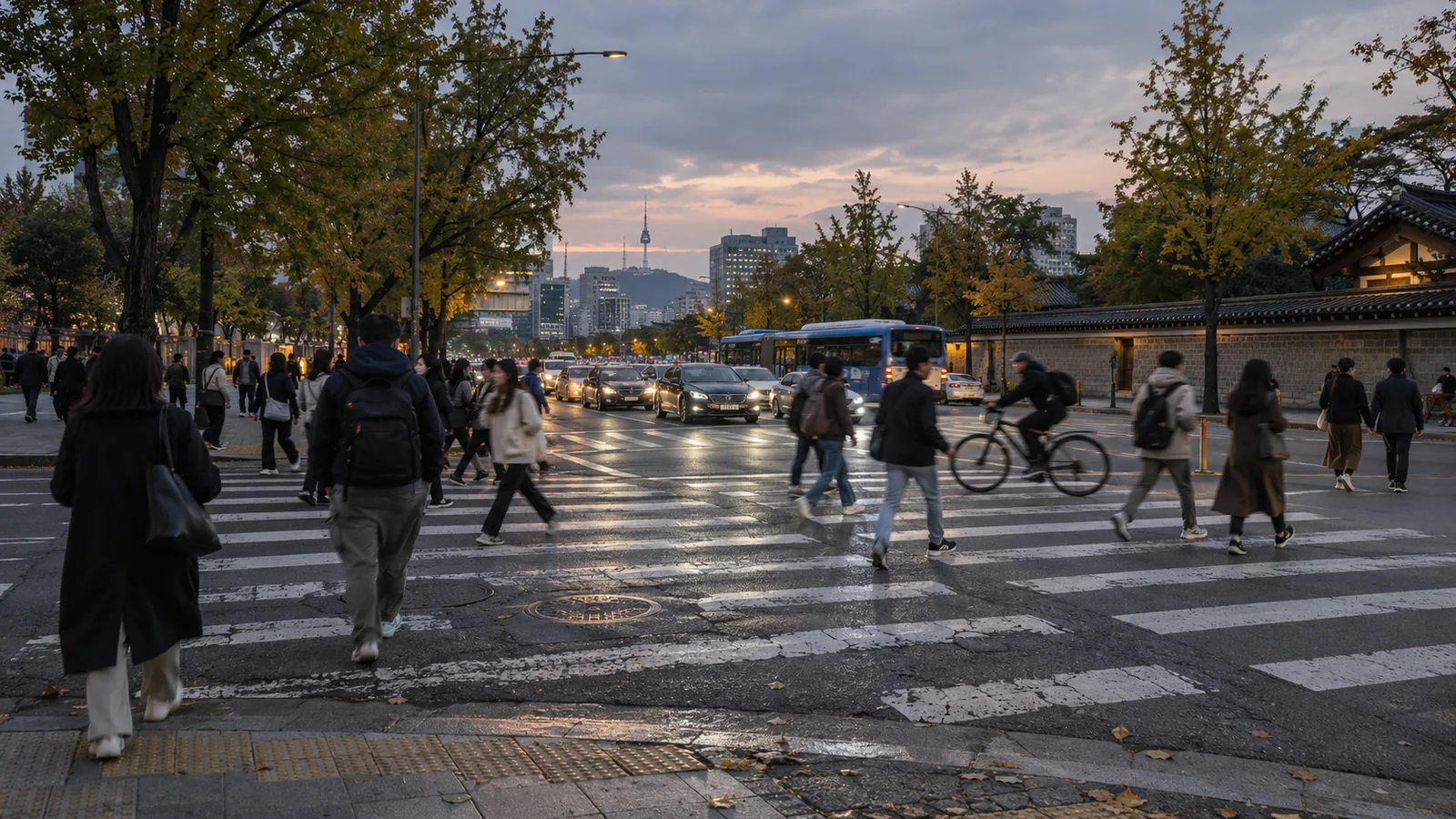
Yes, South Korea is safe for American travelers. As of October 2026, the US State Department rates it Level 1: Exercise normal precautions, the lowest of its four advisory levels, and that rating has been in place since the current advisory was issued on May 28, 2025. Violent crime and property crime are rare, and normal big-city sense covers most of what you'll need.
That doesn't mean nothing can go wrong. Below are the real risks, the local laws that trip up visitors, and the practical stuff: plugs, tipping, phone numbers and money.
Is South Korea safe for Americans?
The State Department's South Korea page says violent crime and crimes against property are rare. It also flags the things worth taking seriously, and they're specific.
- Demonstrations. Large protests can start with little notice, often near the US Embassy, Seoul City Hall and military bases. Walk around them. Foreigners are not allowed to take part in political activities under Korean immigration law.
- Sexual assault. Most reported cases involve young women assaulted by someone they met through social media or a dating app, often with alcohol involved. The State Department warns that low overall crime can create a false sense of security.
- Drinking. Nightlife runs late and soju is cheap. Keep track of your drinks and how you're getting home.
- Medical care. Hospitals in big cities are good, but staff may speak little English, and you pay up front. US health plans often don't cover care abroad, so consider travel medical insurance.
Safety tip: enroll in the State Department's free Smart Traveler Enrollment Program (STEP) before you go. You'll get US Embassy alerts by email, and the embassy can find you in an emergency.
What about North Korea?
It's the question most Americans ask first. The State Department notes that tensions on the Korean Peninsula remain high, that South Korea routinely holds military exercises and civil defense drills, and that North Korea often responds with threatening statements. Daily life in Seoul doesn't change around this. Koreans go to work, and tourists keep sightseeing.
If a drill happens during your trip, follow what the people around you do. Enrolling in STEP is the easiest way to hear about anything that would actually affect travelers.
Laws that catch visitors out
Korea's laws are stricter than the US in a few areas, and ignorance isn't a defense.
- Drugs: drug laws are very strict. Some prescription medications, especially amphetamines, narcotics and opioids, are illegal or need advance approval from Korea's Ministry of Food and Drug Safety. Check before you pack.
- Poppy seeds: poppy seed products, including popular bagel seasoning blends, are illegal. Leave them at home.
- Controlled items: firearms, radio equipment, gold and certain health supplements are strictly controlled at customs.
- Politics: praising North Korea or joining anti-government protests can lead to detention under the National Security Law.
- Drunk driving: the legal limit is 0.03% blood alcohol, and police run regular checkpoints.
- Working: working without the right visa can mean arrest, fines and deportation.
South Korea plug type and voltage
South Korea uses 220 volts at 60 Hz, and outlets take plugs with two round pins, the plug types C and F. US flat-pin plugs won't fit, so you need an adapter. The Korea Tourism Organization says adapters can be borrowed or bought at hotel front desks, the airport, duty-free shops and convenience stores.
| South Korea | United States | |
|---|---|---|
| Voltage | 220 V | 120 V |
| Frequency | 60 Hz | 60 Hz |
| Plug | Two round pins (types C and F) | Two flat pins, optional round ground (types A and B) |
| What you need | A plug adapter; a converter only for 120 V-only devices | Nothing |
Check the label on each charger. Most phone, tablet and laptop chargers say "100-240V" and only need the adapter. Hair dryers, curling irons and some electric shavers are often 120 V only; plugging those straight into 220 V can ruin them. Buy a dual-voltage one or ask your hotel whether it supplies one.
Tipping in South Korea
Don't tip. Tipping isn't part of Korean culture, and restaurant menu prices must by law include taxes and service charges, so you pay exactly what's on the menu. Taxi drivers don't expect a tip either. Leaving extra cash on the table just confuses things.
Valet parking is one of the few places where a tip is customary. Elsewhere, read the bill rather than adding anything yourself. Our South Korea trip cost guide covers what things actually cost.
Emergency numbers and the 1330 hotline
Save these in your phone before you land. Dial them from a Korean phone without the +82; from a US number, add +82.
| Number | What it's for |
|---|---|
| 112 | Police |
| 119 | Fire and ambulance |
| 1330 (+82-2-1330 from abroad) | Korea Travel Hotline: travel info, interpretation, complaints |
| 1339 | Infectious disease emergencies |
| +82-2-3210-0404 | Emergency call center for international callers (ask for English) |
| +82-2-397-4114 | US Embassy Seoul, including after hours |
The 1330 line, run by the Korea Tourism Organization, is the most useful number on the list. English, Japanese and Chinese are covered around the clock, with other languages during the day. Operators can answer travel questions, interpret for you with a taxi driver or pharmacist, and take complaints. You can also reach it by chat through the 1330 Korea Travel Helpline page, KakaoTalk or WhatsApp. The US Embassy is at 188 Sejong-daero in Seoul; the US Consulate in Busan does not provide consular services.
Practical South Korea travel tips
- Entry: US citizens can visit for up to 90 days without a visa. As of October 2026, US passport holders are exempt from K-ETA through December 31, 2026, and the State Department says a K-ETA will be required from January 1, 2027. Confirm on the official K-ETA site before you book.
- Phone and internet: airports have roaming and SIM counters, and local carriers sell both physical SIMs and eSIMs. Free Wi-Fi is common in airports, subway stations, cafes and hotels.
- Apps: install Naver Map or KakaoMap for directions, plus a translation app. Our South Korea transportation guide covers train and taxi apps.
- Money: cards are accepted almost everywhere, but carry some won for markets, street food and topping up a T-money card, which needs cash.
- Accessibility: Korean law requires access in public buildings and transit, Seoul's subway has elevators and priority seating, and crosswalks usually have audio signals. Older buildings and side streets can be harder.
- Weather: summers are hot and wet, and winters are cold. The best time to visit South Korea page has the month-by-month picture.
Next step: save the numbers above, pack a two-round-pin adapter, and start planning the fun part with our things to do in South Korea and the Seoul guide.
Frequently asked questions
Is South Korea safe to visit right now?
Yes. As of October 2026, the US State Department rates South Korea Level 1, exercise normal precautions, its lowest advisory level. It advises avoiding demonstrations and notes ongoing tensions on the Korean Peninsula.
What plug type does South Korea use?
South Korea uses plugs with two round pins (types C and F) at 220 volts and 60 Hz. Americans need a plug adapter, and a converter only for devices rated for 120 volts alone.
Do you tip in South Korea?
No. Restaurant prices include tax and service by law, and taxi drivers don't expect tips.
What is the emergency number in South Korea?
Dial 112 for police and 119 for fire or ambulance. For travel help and free interpretation, call the Korea Travel Hotline at 1330.
Is it safe to walk alone at night in Seoul?
Generally yes; the State Department describes violent crime as rare. Use normal big-city sense, watch your drinks, and be careful meeting people from dating apps.
Sources
- travel.state.gov/en/international-travel/travel-advisories/south-korea.html
- english.visitkorea.or.kr/svc/contents/contentsView.do?vcontsId=140041
- english.visitkorea.or.kr/svc/contents/contentsView.do?vcontsId=140042
- english.visitkorea.or.kr/svc/contents/contentsView.do?vcontsId=140632&menuSn=454
- www.busan.go.kr/eng/bsnews01/1358416
- centers.ibs.re.kr/html/living_en/housing/utilities-electric.html
- www.koreatimes.co.kr/amp/southkorea/society/20250807/explainer-why-tipping-culture-remains
- english.visitkorea.or.kr/svc/contents/contentsView.do?vcontsId=140661
- english.visitkorea.or.kr/public/contents/travel/KoreaTransportationGuide_enu.pdf
Prices, schedules and entry rules change. Confirm details with official sources and operators before you travel. See our terms of use.