 South Korea
What Is the Capital of South Korea? Seoul, Its History and the Sejong Question
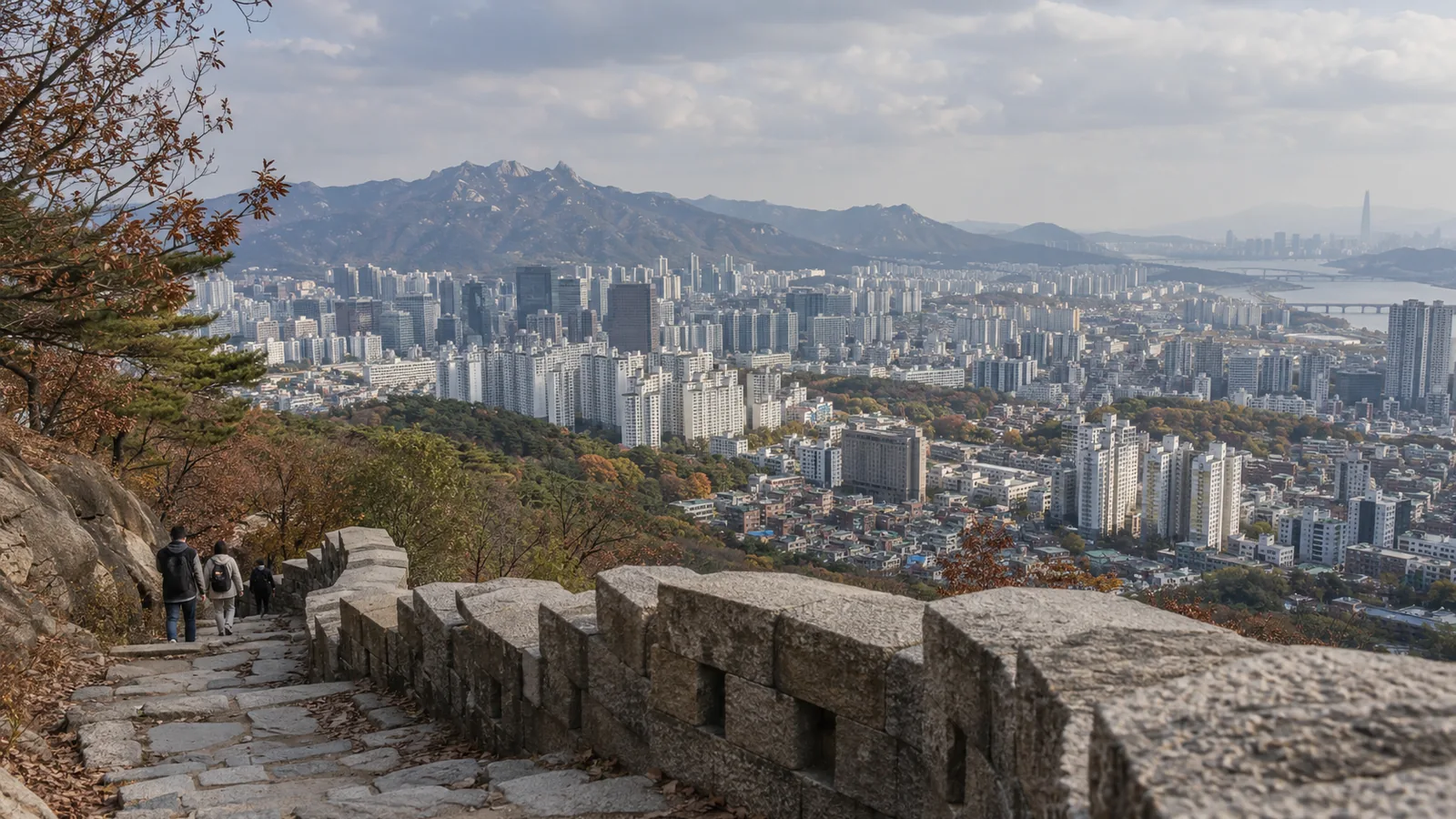
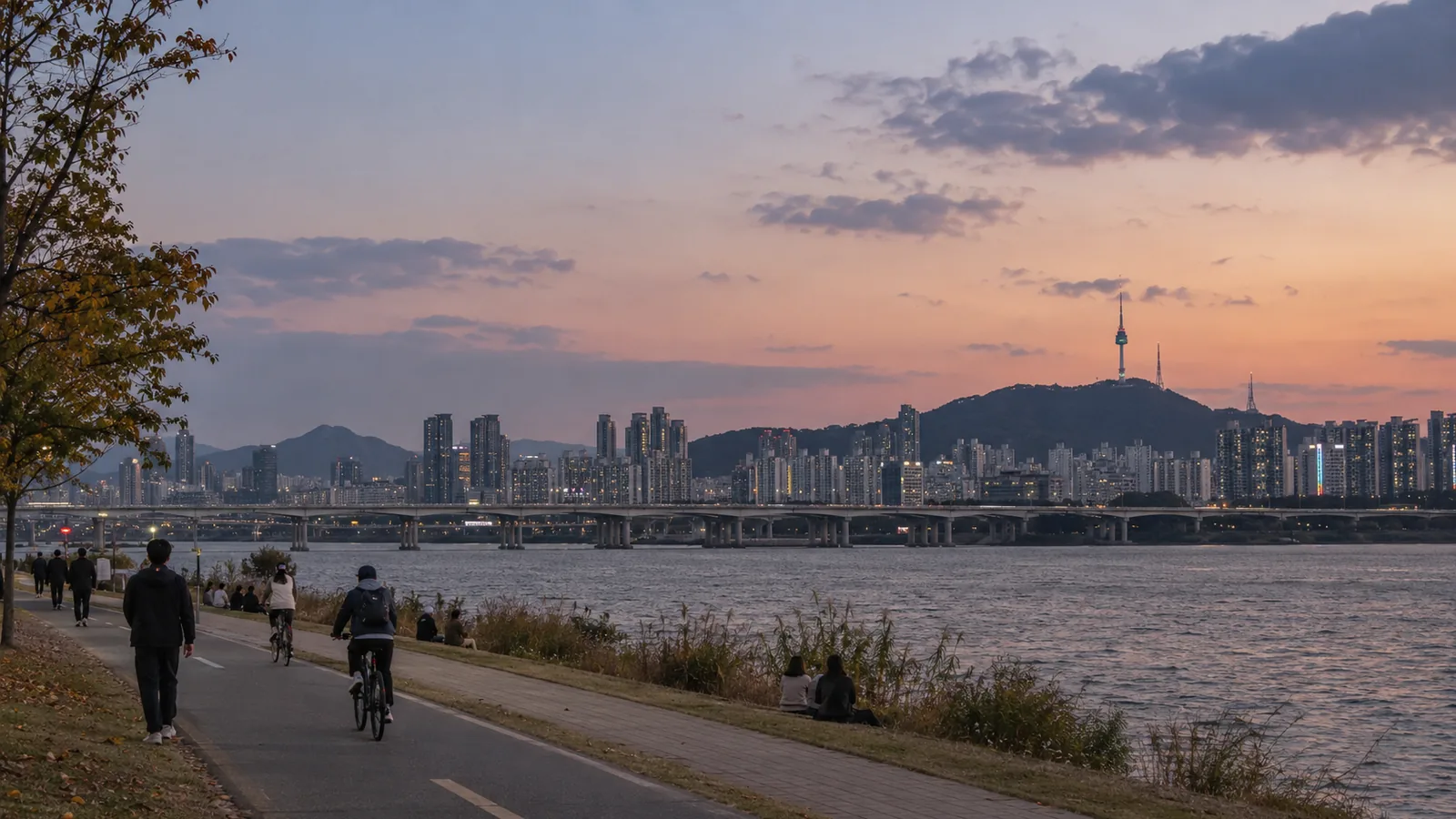
The capital of South Korea is Seoul. It's the country's largest city, the seat of the president and the National Assembly, and the place nearly every US traveler lands first.
That's the quick answer. The longer one is more interesting, because Seoul has carried several names over six centuries, and since 2012 a second city, Sejong, has taken over much of the day-to-day work of government. Here's what that means, and what it doesn't.
South Korea capital city at a glance
| Item | Detail |
|---|---|
| Official capital | Seoul (Seoul Special City) |
| Capital since | 1394, when King Taejo of Joseon chose Hanyang |
| Population | 9,315,066 in the 2025 census |
| Greater Seoul area | 26.38 million people, 50.9% of the national total (2025) |
| Administrative city | Sejong, home to many ministries, about 400,000 residents |
| Main international airport | Incheon (ICN), connected to Seoul Station by the AREX airport railroad |
The population figure comes from the 2025 population census released by Korea's national statistics agency (Statistics Korea, now called the Ministry of Data and Statistics). Since 2015 the census has been register-based, and resident registration counts usually run a little higher, so you'll see slightly different numbers quoted for Seoul. Either way, it's a city of a bit over nine million people inside a metro area of more than 26 million.
How Seoul became the capital: Hanyang and Hanseong
People have lived along the Han River for thousands of years, and the Seoul area was a royal seat long before the modern country existed. The early Baekje kingdom placed its first capital, Wiryeseong, in what is now the northeastern part of Seoul before moving south.
The city you'll walk around today traces back to the Joseon dynasty, founded in 1392. According to the Seoul Museum of History, King Taejo decided in 1394 to build a new capital on the site of Hanyang, and it stayed the capital until the end of the dynasty. The city was laid out on geomantic and Confucian principles: the main palace at the foot of Baegaksan, the royal ancestral shrine Jongmyo to the east, and the Sajik altar to the west.
The city's administration was the Hanseongbu, which is why you'll also see the name Hanseong in old records and museum labels. Same place, different name.
Palaces you can still visit
Gyeongbokgung, the main royal palace, was established in 1395, the fourth year of Taejo's reign, per the Royal Palaces and Tombs Center. Changdeokgung followed in the early 15th century as a secondary palace. After the palaces burned during the Japanese invasions of the late 16th century, Changdeokgung was rebuilt first and served as the main royal seat for about 250 years. UNESCO listed Changdeokgung as a World Heritage Site in 1997.
If you only have one morning for history, pick Gyeongbokgung for scale or Changdeokgung for atmosphere. Our Seoul guide covers both, plus where to stay nearby.
Gyeongseong to Seoul: the 20th century
Japan annexed Korea in August 1910. During colonial rule, which lasted until 1945, the city was called Gyeongseong and remained the seat of the colonial government. The Seoul Museum of History notes that the March 1st independence movement of 1919 began here.
After liberation in 1945, the name Seoul was made official. In 1949 the city became the Special City of Seoul, the status it still holds. During the Korean War (1950 to 1953) the government temporarily moved to Busan from 1951 to 1953, which is why Busan sometimes comes up as a past capital. It was a wartime arrangement, and Seoul resumed its role after the war.
| Period | Name used | What it was |
|---|---|---|
| Early Baekje era | Wiryeseong (now NE Seoul) | Early Baekje royal capital |
| 1394 to 1910 | Hanyang / Hanseong | Joseon dynasty capital |
| 1910 to 1945 | Gyeongseong | Seat of the Japanese colonial government |
| 1945 onward | Seoul | Capital; Special City status from 1949 |
| 1951 to 1953 | Busan (temporary) | Wartime seat of government |
| 2012 onward | Sejong | Administrative city; not the legal capital |
Is Sejong the new capital of South Korea?
No. Seoul is still the capital. Sejong is an administrative city, and the difference matters if you read Korean news.
Sejong was created in 2012 to ease congestion in Seoul. Between 2012 and 2021, 43 central government agencies moved there, and Government Complex Sejong now houses many ministries. The city government puts the population at about 400,000.
Moving the capital outright isn't simple. A 2004 Constitutional Court ruling effectively recognized Seoul as the capital under customary constitutional law, so a full relocation would need a constitutional amendment. That's why current plans are framed as a second presidential office rather than a move.
Here's where things stand as of October 2026, based on government announcements reported by the Korea Times and Reuters:
- Presidential office: a second presidential workplace in Sejong is targeted for August 2029, with construction slated to start in 2027.
- National Assembly: an additional Assembly building in Sejong is planned for completion by 2033.
- More agencies: on September 3, 2026, the government said about 350 more public institutions would move out of the Seoul region starting in 2027.
For travelers, none of this changes much. Sejong is a planned government town, not a sightseeing destination, and the palaces, museums, food and nightlife are all in Seoul.
Why the Korea capital matters for your trip
Seoul is the practical hub for almost any itinerary. Both major airports serve it, the KTX high-speed network fans out from Seoul Station and Suseo Station, and you can reach Busan, Gyeongju and the east coast by train without renting a car.
Honestly, most first-time visitors spend at least half their trip here. A common pattern is four or five nights in Seoul, then a train south to Gyeongju and Busan. If you want to see how the cities sit relative to each other, start with our South Korea map, and for the full list of palaces, markets and day trips see things to do in South Korea.
Where to see the old capital on the ground
The Joseon layout is still readable if you know where to look. Gyeongbokgung sits at the top of the main boulevard with Baegaksan behind it, Jongmyo is a short walk east, and the Sajik altar lies to the west, just as the founders planned them.
Staying in Jongno or near the palaces puts you within walking distance of all three, and it's the easiest base for a history-focused first visit. Gangnam and Hongdae are better for shopping and nightlife but put you a subway ride or two away from the old city. Our where to stay guide compares neighborhoods and price ranges.
A good order for a first day: a palace in the morning before tour groups arrive, lunch nearby, then the Seoul Museum of History in the afternoon if you want the full story of Hanyang to modern Seoul. It's a straightforward way to see the capital's six centuries in one day without rushing.
One more thing first-timers ask: Seoul and Pyongyang are capitals of two separate countries. Seoul is the capital of the Republic of Korea, the country you'll be visiting. Pyongyang is the capital of North Korea, and the closest most visitors get to the border is an organized DMZ tour from Seoul.
Getting to Seoul from the US
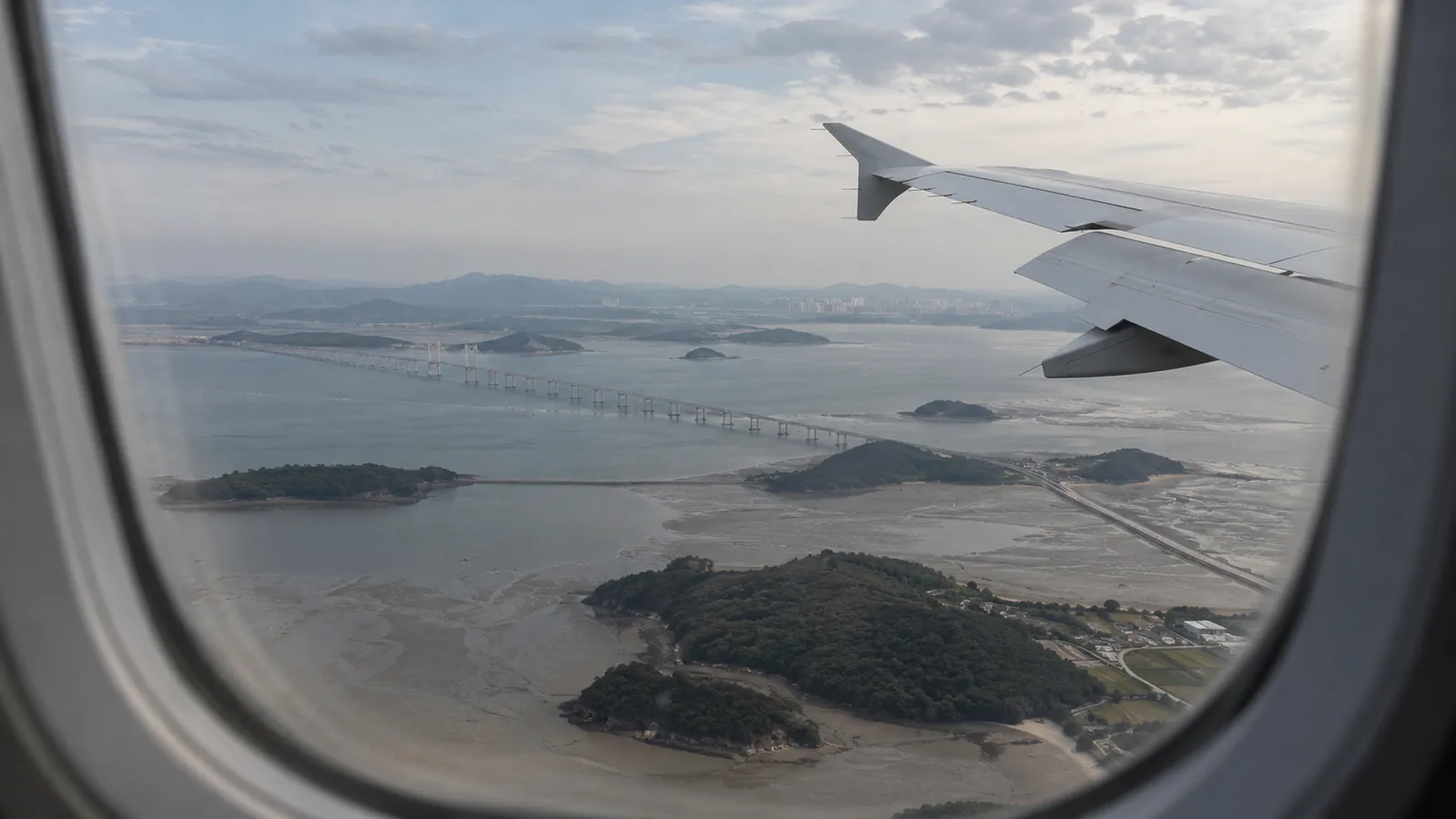
Almost every transpacific flight lands at Incheon International Airport (ICN), on an island west of the city. Gimpo (GMP), closer in, mainly handles domestic flights and some regional routes.
Nonstop service from the US has grown in 2026. United began a daily Newark to Incheon flight on September 4, 2026, and Air Premia started Washington Dulles to Incheon on April 24, 2026, four days a week. Korean Air, Asiana, Delta and others fly from several more US cities. Routes and schedules change often, so check the airline directly; our flights to South Korea guide lists current gateways.
From Incheon, the AREX airport railroad runs to Seoul Station, with express and all-stop trains. AREX announced four extra express trips a day starting October 23, 2026. Airport limousine buses and taxis are the other options. Fares and times are in our guide to getting around South Korea.
As of October 2026, US citizens are among the nationalities temporarily exempt from K-ETA through December 31, 2026. Confirm your status on the official K-ETA site before you book, since no rule for 2027 had been published at the time of writing.
Frequently asked questions
What is the capital of South Korea?
Seoul is the capital of South Korea. It has been the capital since 1394, apart from a temporary wartime move of the government to Busan from 1951 to 1953.
Is Sejong the capital of South Korea?
No. Sejong is an administrative city that hosts many government ministries, but Seoul remains the legal capital. A full move would require a constitutional amendment.
What was Seoul called before?
Under the Joseon dynasty the city was called Hanyang and also Hanseong. During Japanese colonial rule from 1910 to 1945 it was called Gyeongseong, and the name Seoul became official after 1945.
What is the population of Seoul?
The 2025 census counted 9,315,066 people in Seoul. The wider capital region, including Incheon and Gyeonggi Province, held 26.38 million people, just over half the country.
What is the capital of North Korea?
Pyongyang is the capital of North Korea. Seoul is the capital of South Korea only.
Sources
- museum.seoul.go.kr/eng/exhibition/permanent/permExhibit/permExhibit1.jsp
- museum.seoul.go.kr/eng/exhibition/permanent/permExhibit/permExhibit3.jsp
- royal.khs.go.kr/ENG/contents/E101010000.do
- whc.unesco.org/en/list/816
- www.britannica.com/place/Seoul/History
- www.koreatimes.co.kr/southkorea/20260728/s-koreas-population-slightly-up-in-2025-on-immigr
- www.koreatimes.co.kr/southkorea/politics/20260812/explainer-lees-push-to-open-sejong-presi
- theprint.in/world/south-korea-to-open-sejong-presidential-office-by-2029-move-350-institut
- www.prnewswire.com/news-releases/air-premia-to-launch-new-incheonwashington-dc-route-four-
- www.arex.or.kr/main.do?language=EN
- www.k-eta.go.kr/portal/board/viewboarddetail.do?bbsSn=299706
- www.mofa.go.kr/us-hagatna-en/brd/m_5521/view.do?seq=761689
Prices, schedules and entry rules change. Confirm details with official sources and operators before you travel. See our terms of use.